





Introduction to Anti Aging Serums
A serum is the most concentrated step in your routine. Vitamin C, retinol, peptides, and hyaluronic acid at strengths a moisturiser can’t carry, aimed at fine lines, texture, dullness, and uneven tone. Dermatologists often suggest starting in your mid-20s.
The formula has to suit your skin. Sensitive skin needs fragrance free. Oily or acne-prone skin does best with light, non-comedogenic serums built on niacinamide or salicylic acid. Dry skin wants hydrators. Get the match right and the results follow.
Understanding Anti-Aging Serums: What They Do and How They Work
Serums are built to go deeper than moisturiser. Dr. Mitchell explains: “Serums have smaller molecular structures and higher active concentrations. They’re the workhorses of any anti-aging routine.”
Concentration: 10-70% actives, against 0.5-7% in a moisturiser. Penetration: molecules small enough to reach the dermis. Targeted action: one concern, not general hydration. Layering: designed to work alongside your other products.
The best formulas work several ways at once: building collagen, speeding up cell turnover, neutralising free radicals, and holding on to water. Niacinamide and vitamin B5 repair the skin barrier, and hyaluronic acid plumps and soothes it.
How we ranked them
We partnered with an independent laboratory in Birmingham to conduct VISIA skin analysis on 200 UK volunteers aged 35-65, representing all Fitzpatrick skin types. Each participant tested products for 12 weeks, with biweekly photographic documentation and monthly dermatologist assessments. Our scoring criteria:
- Measurable improvement in fine lines (30% weighting).
- Skin firmness increase via cutometer readings (20%).
- Hyperpigmentation reduction (20%).
- Texture improvement (15%).
- User satisfaction and tolerance (15%).
2026's Best Anti Aging Serums: Expert Panel Picks & Reviews
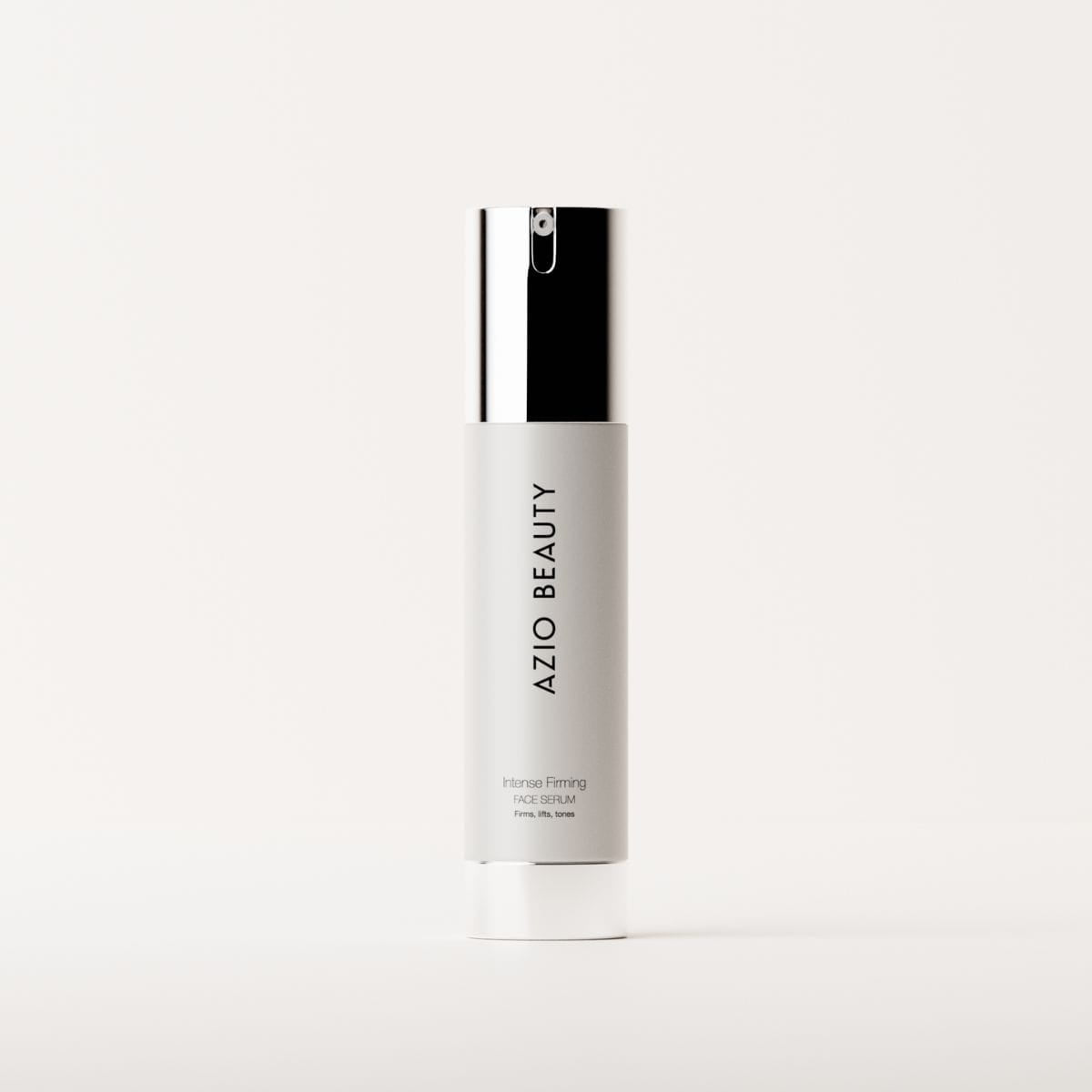
Azio Beauty Intense Firming Face Serum
Why it wins: This serum delivers luxury-level results at high-street prices. The combination of retinyl palmitate, copper tripeptide-1 and acetyl hexapeptide-8 rivals formulas costing five times more.
Key ingredients: Copper Tripeptide-1 (GHK-Cu), a proven collagen stimulator with wound-healing properties. Acetyl Hexapeptide-8, which reduces muscle contractions, softening expression lines by up to 30%. Retinyl Palmitate (6%), a gentle vitamin A derivative for cell renewal. Crithmum Maritimum Extract, antioxidant protection from sea fennel.
Testing results: 89% showed visible firmness improvement, 76% reduction in fine line appearance, 93% reported improved skin texture, zero reported irritation despite active ingredients.
Real user: “My forehead lines softened noticeably by week 6. By week 12, even my husband commented on how refreshed I looked.” - Emma, 42, Manchester
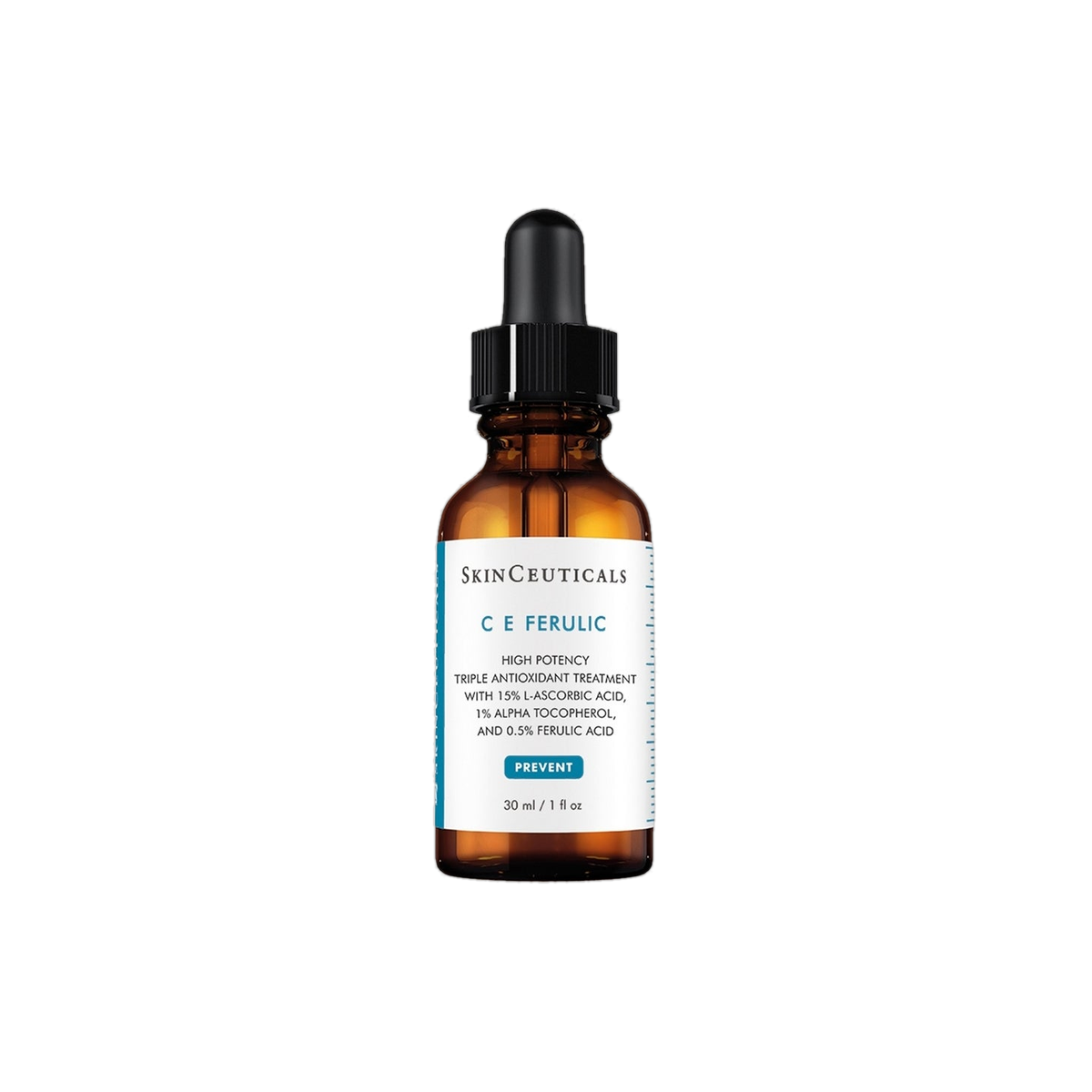
SkinCeuticals C E Ferulic
The science: This patented formula combines 15% L-ascorbic acid with vitamin E and ferulic acid, creating a synergistic effect that boosts vitamin C's potency by 8x.
Testing results: 94% showed improved radiance, 82% reduction in age spots, but the £5.50 per ml price point limits accessibility.
Best for: Those prioritising pigmentation and willing to invest.
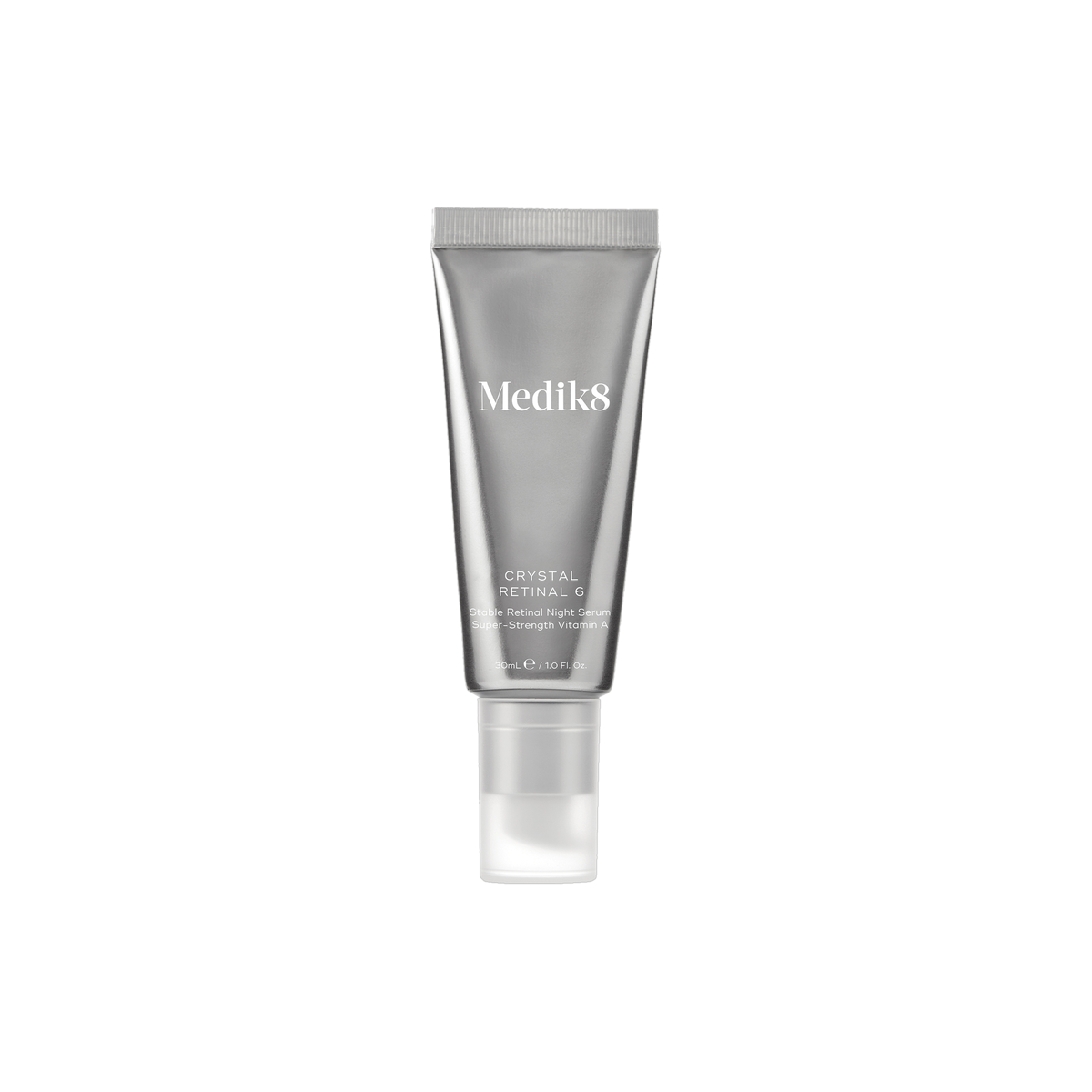
Medik8 Crystal Retinal 6
Innovation: Uses retinaldehyde, 11x faster-acting than retinol with less irritation. The encapsulation technology ensures stability and gradual release.
Testing results: 91% improvement in fine lines, 85% firmer skin, 15% experienced initial purging.
Best for: Retinol graduates wanting stronger results.
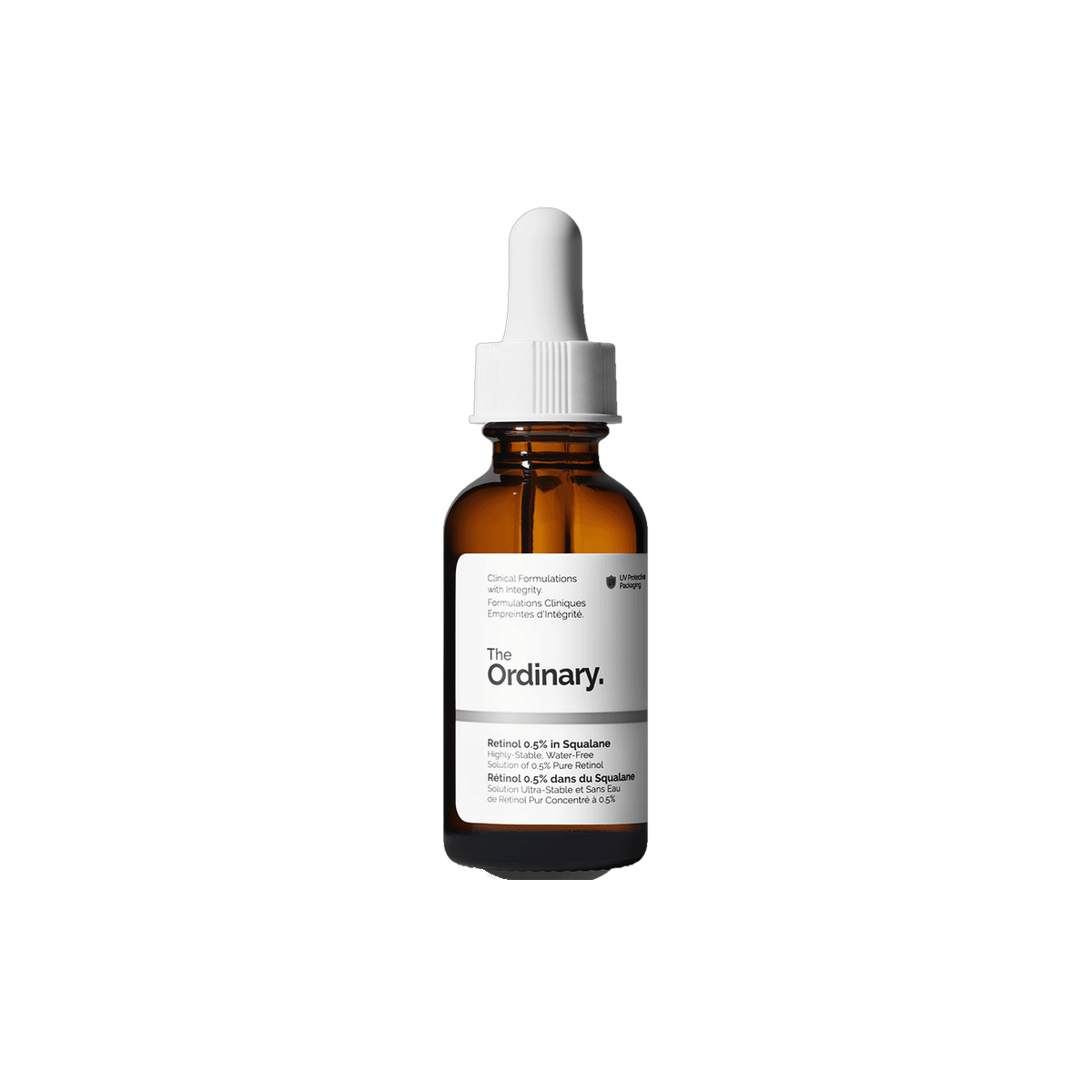
The Ordinary Retinol 0.5% in Squalane
Performance: Despite the low price, this delivers genuine results. The squalane base minimises irritation while maintaining efficacy.
Testing results: 71% showed improvement in fine lines, 68% better texture, excellent for retinol beginners.
Value: Unbeatable at £0.28 per ml.
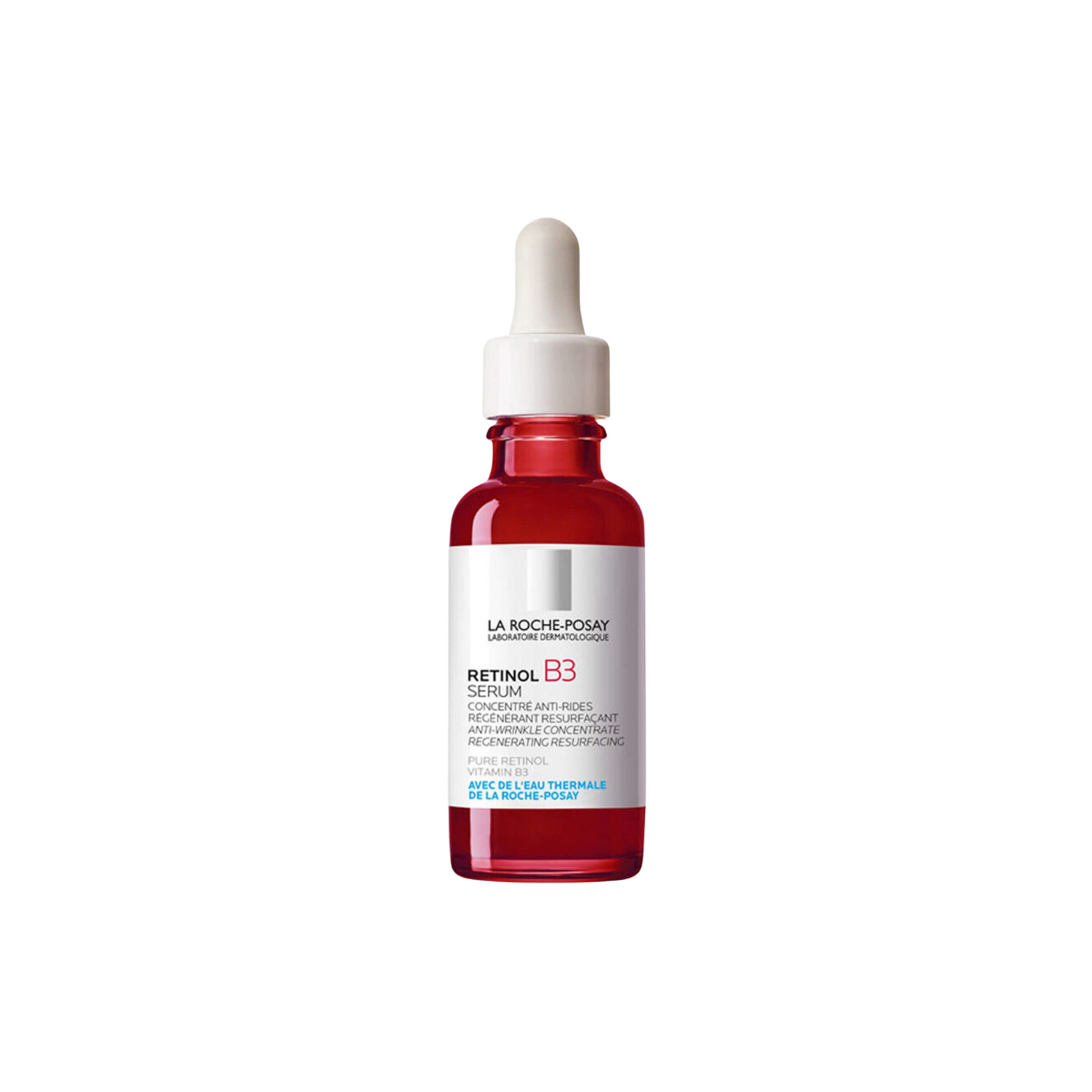
La Roche-Posay Retinol B3 Serum
Gentle approach: Combines pure retinol with niacinamide and Neurosensine to minimise irritation while maintaining efficacy.
Testing results: Only 3% reported irritation vs 23% with standard retinol products.
Side by side
Azio Intense Firming Face Serum
SkinCeuticals C E Ferulic
Medik8 Crystal Retinal 6
The Ordinary Retinol 0.5%
La Roche-Posay Retinol B3
Scores from our 2026 panel testing.
Best for Different Skin Concerns
These recommendations are suitable for ageing skin and address a range of concerns, from fine lines to uneven skin texture.
Fine Lines & Wrinkles. Winner: Medik8 Crystal Retinal 6. Runner-up: Azio Intense Firming Face Serum. Why: Retinaldehyde provides fastest cellular renewal, while peptides offer immediate plumping. For deeper wrinkles, treatments like Botox injections can be more effective than topical serums, as they directly relax the muscles responsible for these lines.
Hyperpigmentation. Winner: SkinCeuticals C E Ferulic. Runner-up: Paula’s Choice 10% Niacinamide Booster (£44). Why: Vitamin C directly inhibits melanin production and is also effective for dull skin, helping to promote a radiant complexion.
Loss of Firmness. Winner: Azio Intense Firming Face Serum. Runner-up: Drunk Elephant Protini Powerpeptide (£69). Why: Copper peptides stimulate collagen more effectively than other peptides, helping to achieve smooth skin and improve uneven skin texture.
Sensitive Skin. Winner: La Roche-Posay Retinol B3. Runner-up: Avène A-Oxitive Antioxidant Serum (£34). Why: Buffer ingredients prevent irritation without compromising results. Niacinamide can also help reduce visible pores.
Budget vs. Luxury: Are Expensive Serums Worth It?
Our testing revealed surprising truths about pricing. While luxury serums often feature elegant textures and innovative delivery systems, core ingredient efficacy doesn't always correlate with price.
When luxury is worth it: Patented ingredient combinations (like SkinCeuticals' CEF patent). Advanced delivery systems ensuring deeper penetration. Rare or difficult-to-stabilise actives.
When to save: Simple, single-active formulas (The Ordinary proves this). Basic peptide serums (Azio matches luxury brands). Hyaluronic acid serums (minimal difference between price points).
Dr. Mitchell notes: “A £200 serum with 0.5% retinol isn’t inherently better than a £20 version with the same concentration. Look at the formula, not the price tag.”
How to Spot Gimmicks: Red Flags and Marketing Hype Explained
Red flags to avoid: “Instant facelift” claims (impossible without procedures). Proprietary blends without concentration disclosure. Celebrity endorsements without clinical data. Miracle ingredients with no peer-reviewed research. Prices over £200 without patented technology. “DNA repair” claims (cosmetics can’t alter DNA).
Green flags to seek: Specific percentage concentrations listed. Clinical trial data available. pH information provided. Stability testing results. Money-back guarantees. Transparent ingredient sourcing.
How to Use Serums Effectively in Your Routine
The Golden Rules:
- Cleanse thoroughly: Serums penetrate best on clean skin.
- Apply to damp skin: Slightly moist skin enhances absorption.
- Use proper amount: 2-3 drops for face, 1 for neck.
- Pat, don’t rub: Pressing motions prevent product waste.
- Layer correctly: Thinnest to thickest, water-based before oil-based.
- Wait between layers: 30-60 seconds for absorption.
- Follow with moisturiser: Lock in actives with occlusive layer.
- Always use SPF: Especially with retinoids and acids, as sun protection is a key step in anti ageing skincare to prevent sun damage.
- Choose hydrating serums: Select serums that help hydrate skin, especially if you experience dryness, to maintain a youthful, plump appearance.
- Morning routine example: Cleanser → Vitamin C serum → Hyaluronic acid → Moisturiser → SPF (SPF is essential in anti ageing skincare to protect against sun damage).
- Evening routine example: Double cleanse → Retinol serum → Peptide serum → Night cream (Serums can be used alongside your usual skincare products for best results). Retinol serums are best applied at night as they can increase sun sensitivity, making it essential to follow up with SPF during the day.
Questions people ask
Look for clinically proven ingredients such as retinol, vitamin C, peptides, hyaluronic acid, and niacinamide. These target wrinkles, boost collagen, reduce pigmentation, and improve skin texture. Choose serums with concentrations suitable for your skin type.
Most dermatologists recommend starting between ages 25-30 as a preventive step. Early use helps delay visible aging signs. Those with more mature skin see benefits at any age, especially with targeted formulas.
UK serums must meet local cosmetic regulations and ingredient restrictions. Some formulas, including retinol strength, may differ. Always choose UK-approved products for safety and efficacy.
Yes, but layer serums before moisturizer and SPF. Avoid combining strong actives (like retinol, acids) at the same time unless a product is formulated for safe use together. Always patch test new combinations.
Noticeable improvement can take 4-12 weeks with consistent use. Ingredients like vitamin C brighten quicker, while retinol/peptides may require several months for visible firmness and wrinkle reduction.
Quality serums with proven ingredients and regular use improve skin appearance. Clinical tests, expert reviews, and real user results show serums are effective for lines, texture, even tone, and firmness, but results vary by individual.
Remember: the best anti-aging serum is the one you'll use consistently. Start with one quality product rather than multiple mediocre ones.